


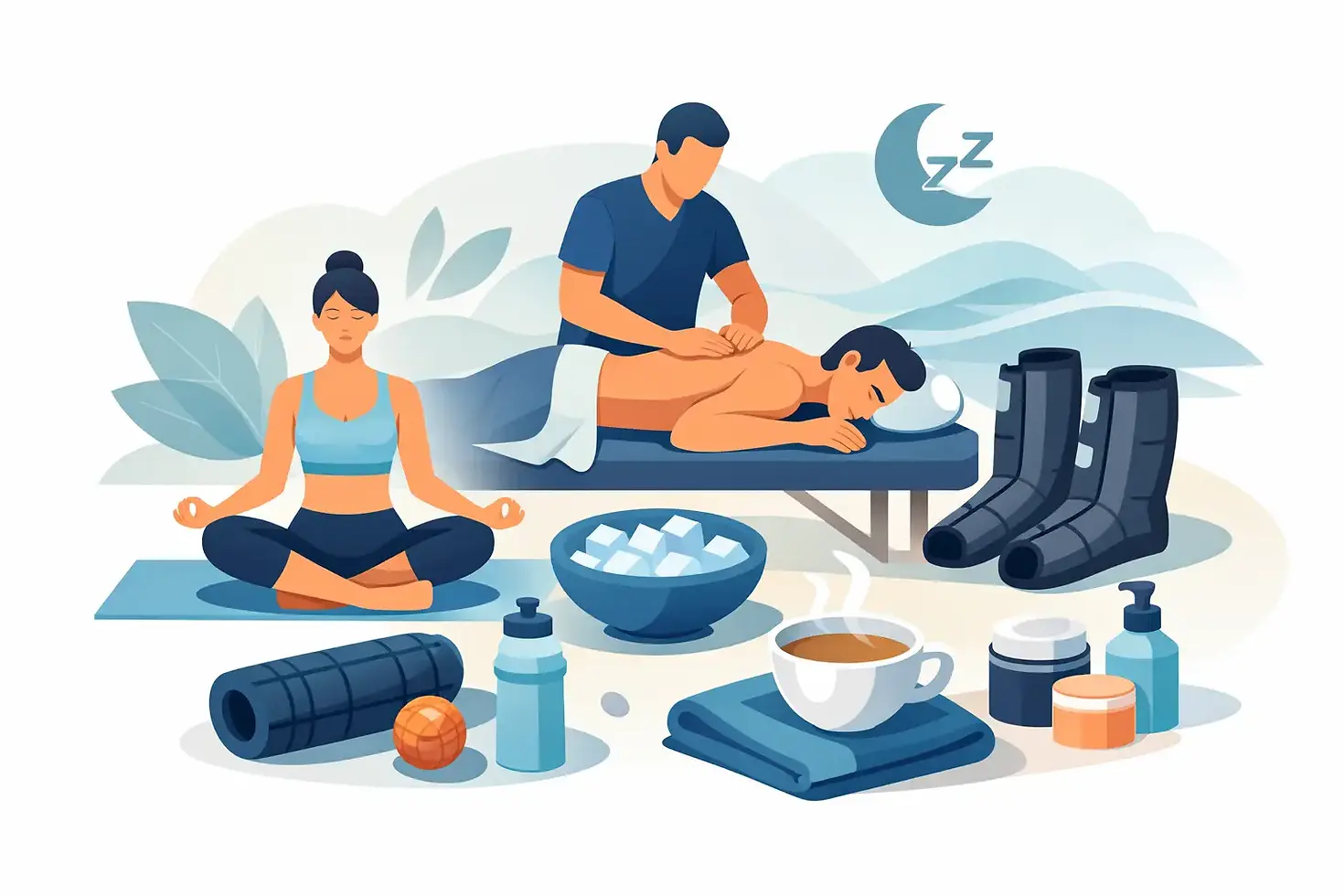
Best Recovery Treatments After Workouts That Work

A hard workout can leave you feeling accomplished, tight, and surprisingly drained all at once. The best recovery treatments after workouts are not about pushing through pain or scheduling every possible wellness service. They are about giving your body the right support for the training you did, the tension you are carrying, and the goals you want to keep pursuing.
Recovery is where training becomes sustainable. When your muscles, nervous system, and connective tissue have time and support to adapt, you are more likely to return to movement feeling capable instead of depleted. The right plan can reduce lingering stiffness, restore mobility, and help you stay more connected to what your body needs.
Why Post-Workout Recovery Deserves More Attention
Exercise creates a healthy form of stress. Strength training creates small disruptions in muscle tissue, while running, cycling, and high-intensity sessions can challenge your joints, circulation, and nervous system. Recovery is the process that helps your body respond to that stress.
Feeling some muscle soreness after a new or demanding workout is normal. Sharp pain, swelling, numbness, joint instability, or pain that changes how you walk or move is different. Those symptoms deserve prompt medical evaluation rather than a recovery treatment alone.
For most active adults, the goal is not to eliminate every sign of soreness. A little soreness can be part of progress. The goal is to avoid letting tightness, fatigue, and restricted movement build into a pattern that affects your sleep, workday comfort, or next workout.
Best Recovery Treatments After Workouts
The most effective treatment depends on your workout, your health history, and how your body feels in the days that follow. A personalized approach often works better than relying on one method for every sore muscle.
Therapeutic Massage for Muscle Tension and Decompression
Massage is one of the most reliable recovery options when your muscles feel heavy, tight, or slow to release. After demanding training, therapeutic bodywork can help calm the nervous system, encourage circulation, and address areas that are compensating for limited mobility elsewhere.
A skilled therapist does more than apply pressure to sore spots. They assess where tension is concentrated, how your tissues respond, and whether a gentler or more focused approach is appropriate. For example, your calves may feel tight after a run, but the underlying restriction may also involve your hips, feet, or lower back.
Deep pressure is not automatically better. Immediately after an intense session, overly aggressive work can leave already-sensitive tissue feeling more irritated. A thoughtful recovery massage may include slower, restorative techniques, targeted work where it is needed, and coaching on what to do between sessions.
Mobility Work That Restores Comfortable Movement
Mobility work is especially valuable when stiffness changes your movement pattern. Think of the shoulder that will not fully reach overhead after lifting, the hips that feel locked after a long ride, or the ankles that seem less flexible after running.
The key is controlled movement, not forcing a stretch. Gentle dynamic movements, light range-of-motion exercises, and a gradual return to positions that feel restricted can help you regain comfort without provoking pain. A few minutes of intentional mobility after exercise or later that evening is often more useful than an occasional intense stretching session.
If a position causes sharp pain, pinching, or symptoms that travel into an arm or leg, stop. Recovery should leave you feeling more at ease in your body, not more guarded.
Heat, Cold, and Contrast Therapy
Heat can be a comforting choice for general tightness and stress-related tension, particularly when your body feels stiff rather than inflamed. A warm shower, heating pad, or warm bath may help you relax before gentle mobility work or bedtime.
Cold therapy can feel helpful after strenuous training when an area is hot, achy, or mildly swollen. It may temporarily reduce discomfort, but it is not a required ritual after every workout. If your main concern is building strength and adapting to training, making ice baths a daily habit may not fit every goal.
Some people enjoy contrast therapy, alternating warmth and cool temperatures, because it feels refreshing and helps them feel less heavy after exercise. The practical benefit is often comfort and relaxation. Listen to how you respond, and avoid extreme temperature exposure if you have a cardiovascular condition, reduced sensation, or have been advised to avoid it by a medical professional.
Guided Shockwave Therapy for Persistent Problem Areas
When a particular area keeps limiting your activity, such as a stubborn heel, elbow, shoulder, or tendon concern, it may be time for a more focused conversation. Shockwave therapy is not a routine post-workout reward. It is a performance-oriented treatment that may be considered for certain persistent soft-tissue concerns after a proper assessment.
The best candidates are not simply the people who feel sore after a challenging class. They are often people dealing with recurring discomfort, tissue sensitivity, or a plateau in their progress despite sensible recovery habits. A qualified provider can help determine whether shockwave therapy fits your situation and how it should be paired with movement, rest, and other care.
Recovery Also Happens Between Appointments
Hands-on care can be powerful, but it works best alongside the fundamentals. Hydration, nourishing meals, sleep, and manageable training volume create the conditions your body needs to repair and adapt.
After a workout, drink enough fluids to replace what you lost through sweat, especially in Atlanta's heat and humidity. Eat a balanced meal or snack with protein and carbohydrates within a reasonable window, particularly after longer or more demanding sessions. You do not need a perfect recovery shake to make progress, but consistently under-fueling can make fatigue and soreness harder to manage.
Sleep is equally influential. During deep sleep, your body has a better opportunity to regulate stress, repair tissue, and restore energy. If you are training hard while sleeping poorly, even an excellent massage may feel like a temporary reset rather than a lasting improvement.
Match Your Recovery to What Your Body Is Telling You
Your recovery plan should change with your symptoms. Consider these common scenarios:
General soreness after a new workout: Choose light movement, hydration, adequate food, and a gentle massage or warm shower if it feels good.
Tightness that affects your range of motion: Add controlled mobility work and consider therapeutic bodywork to address the patterns contributing to restriction.
A recurring hot spot: Reduce the movements that aggravate it, seek a professional assessment, and avoid trying to stretch or massage aggressively through pain.
Whole-body fatigue and poor sleep: Prioritize rest, lower training intensity temporarily, and choose calming care that supports decompression rather than more physical stress.
This is where individualized care matters. The same treatment that feels restorative after a long run may not be the right choice after a heavy lifting session, a stressful workweek, or the return of an old injury.
When to Get Professional Guidance
A recovery appointment is a smart investment when discomfort keeps returning, your movement feels limited, or you are no longer bouncing back between workouts the way you used to. It can also be valuable before discomfort becomes a bigger interruption to your routine.
Look for providers who ask about your goals, listen to your symptoms, maintain a clean and professional environment, and adjust treatment based on your response. At Atlanta Touch Therapy, recovery care is approached as a collaborative process, with thoughtful assessment, hands-on treatment, and practical guidance for supporting your body after the session.
The most effective recovery routine is one you can maintain. Choose the treatments that help you feel safer, freer, and more prepared to move again, then give your body enough time to respond.


Comments