


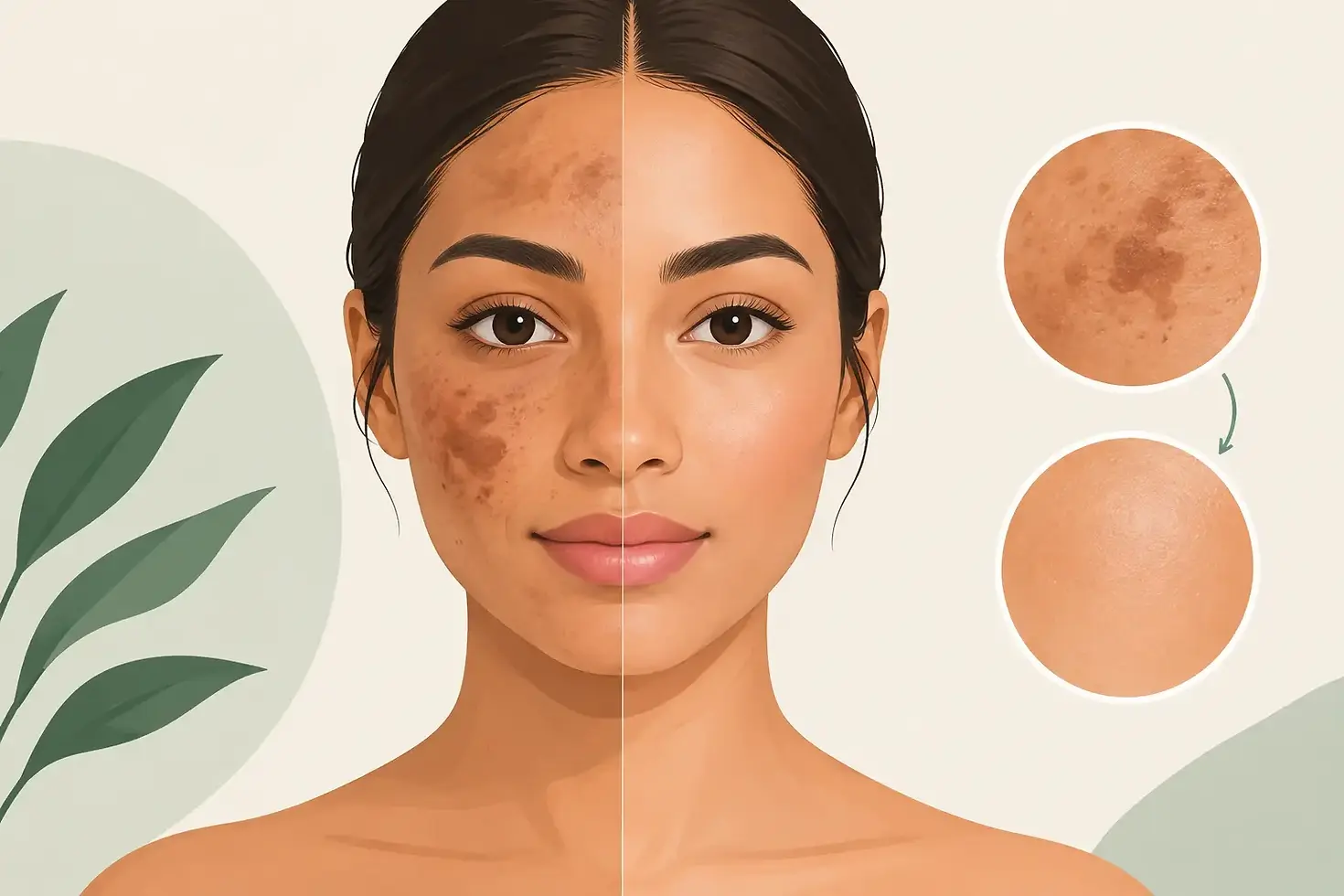
What Hyperpigmentation Facial Results Look Like

A breakout may be gone in a week, yet the dark mark it leaves behind can stay in the mirror for months. That is why hyperpigmentation facial results are rarely about an overnight change. The most meaningful progress is usually a gradual shift toward a more even-looking tone, softer contrast between spots and surrounding skin, and greater confidence showing your skin without heavy coverage.
A professional facial can be a thoughtful part of that process. It should begin with listening to your skin history, assessing what may be contributing to discoloration, and selecting care that supports your barrier rather than overwhelming it. At Atlanta Touch Therapy, the goal is to create a comfortable, personalized experience that respects both your skin concerns and your long-term wellness.
What Causes Dark Spots to Linger
Hyperpigmentation occurs when the skin produces extra melanin, the pigment that gives skin its color. For many people, the trigger is inflammation. Acne, ingrown hairs, irritation from hair removal, eczema, an injury, or an overly aggressive product can all leave a darker area behind after the original concern has improved.
Sun exposure can deepen existing discoloration and make new marks more likely to persist. Heat, hormonal changes, and repeated friction may also play a role. Melasma, which often appears as larger patches of brown or gray-brown discoloration, has its own pattern and may require a more medically directed approach.
This is why two clients with similar-looking spots may need very different plans. Treating skin that is irritated, dehydrated, or recently over-exfoliated as though it simply needs a stronger peel can lead to more inflammation and, in some cases, more visible pigment.
Hyperpigmentation Facial Results: A Realistic Timeline
The first result many clients notice is not a vanished dark spot. It is skin that feels cleaner, smoother, calmer, and more hydrated. When dead surface cells are carefully lifted and the skin is properly nourished, its overall appearance can look brighter after a session.
Changes in deeper discoloration take more patience. With appropriate professional treatments and consistent home care, some clients begin to see subtle improvement after several weeks. More established marks may need several treatment sessions across a few months. The timeline depends on how deep the pigment sits, how long it has been present, your natural skin tone, your lifestyle, and whether new inflammation is still occurring.
A trustworthy esthetician will not promise that every mark will disappear completely. Some pigmentation requires dermatology care, prescription support, or a different modality than a facial alone. A good treatment plan focuses on steady improvement while protecting the health of the skin.
What a Personalized Facial May Include
A hyperpigmentation-focused facial is not one fixed service. Your esthetician may adjust cleansing, exfoliation, extractions, masks, serums, and calming steps based on your skin’s current condition. The right approach often balances targeted correction with barrier support.
For skin that feels congested and dull, gentle exfoliation may help improve surface texture and allow products to work more effectively. For reactive or dry skin, the priority may be hydration and calming care before introducing more active treatments. Extractions can be helpful when performed carefully, but they are not appropriate for every inflamed breakout or every appointment.
Professional-grade ingredients may be selected to support a more even appearance, encourage healthy cell turnover, and reduce the look of discoloration over time. The details matter. Stronger is not always better, particularly for melanin-rich skin that may be more prone to post-inflammatory hyperpigmentation after irritation.
Your comfort matters, too. A results-driven facial should still feel restorative. Clear communication during the service helps your provider adjust pressure, products, or treatment intensity as needed.
The Value of a Skin Assessment
Before beginning a series, your esthetician should ask about acne patterns, current products, medication use, past reactions, recent waxing or shaving, and any history of pigment changes. This is not unnecessary paperwork. It is how your provider avoids treatments that could conflict with your skin’s needs.
Bring the products you use regularly to the conversation, even if they are not considered skincare. Hair products, beard oils, workout habits, and frequent mask use can affect the jawline, forehead, and cheeks. Honest details help create a plan that fits real life rather than an ideal routine that is hard to maintain.
What Helps Results Last Between Appointments
Your facial appointment creates momentum, but daily habits protect that progress. The single most practical step is consistent broad-spectrum sunscreen use. Without sun protection, even well-treated skin may continue to develop or deepen discoloration. Apply sunscreen in the morning, and reapply when you are outdoors, driving for long periods, or sweating.
Keep the rest of your routine simple enough to follow. Use a gentle cleanser, a moisturizer that supports your skin barrier, and the corrective products recommended for your particular needs. If you are starting a new active ingredient, introduce it gradually. Burning, persistent stinging, peeling, or tightness are not signs that a product is working better.
It also helps to resist picking. Squeezing blemishes and rubbing flaky areas can extend inflammation and leave darker marks behind. If ingrown hairs are a recurring concern, ask about a safer strategy for hair removal and prevention instead of treating each flare-up after it appears.
When to Pause and Seek Medical Guidance
Estheticians play an important role in supporting the appearance and comfort of the skin, but some concerns should be evaluated by a medical provider. Seek dermatology guidance for a spot that changes quickly in shape, size, or color; pigmentation that appears suddenly without an obvious cause; painful, cystic acne; or discoloration that does not respond as expected.
Melasma, persistent acne, and deeper scarring can benefit from coordinated care. A dermatologist may recommend prescription options or medical procedures, while a skilled esthetician can help support the skin barrier and maintain a gentle, consistent routine between medical treatments. This collaborative approach is often more effective than trying to solve every concern with a single service.
Choosing Care That Respects Your Skin
Before booking, look for a provider who discusses your goals without making guarantees, asks about your skin history, and explains aftercare in clear language. Clean technique, thoughtful product selection, and adequate time for consultation are signs that your treatment is being handled with care.
Photos can be useful for tracking progress, but take them in similar lighting and without filters. Hyperpigmentation can look dramatically different under bathroom lights, daylight, and phone-camera processing. Consistent photos make subtle improvements easier to recognize and keep expectations grounded.
The best hyperpigmentation facial results often look natural: skin that appears more balanced, feels healthier, and is cared for with less trial and error. Give your skin time, protect it from the triggers that keep pigment active, and choose care that leaves you feeling supported at every appointment.


Comments