


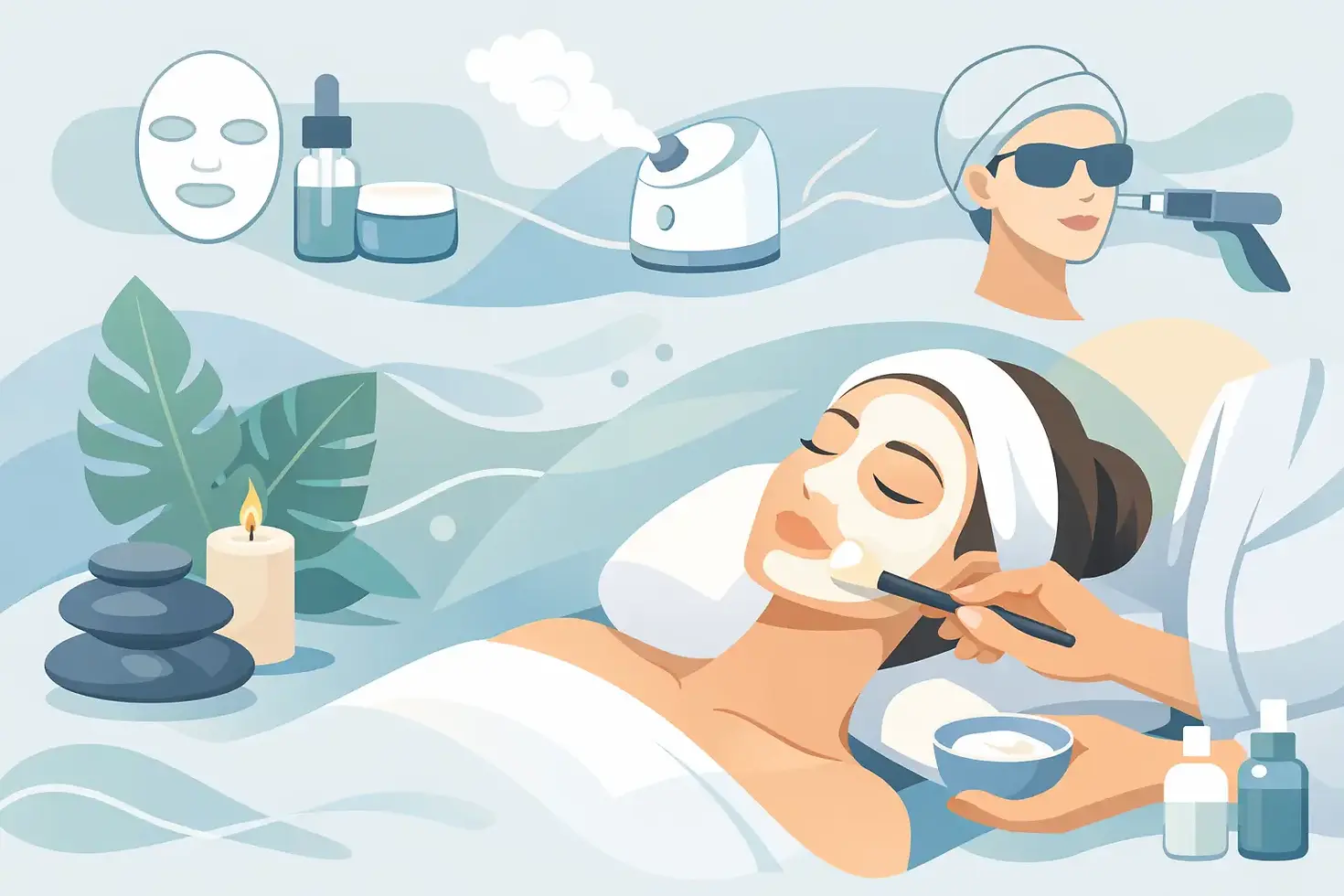
A Guide to Professional Facial Treatments

A facial should not feel like a mystery appointment where you hope for the best and leave unsure what was used on your skin. The right treatment is a thoughtful combination of skin assessment, professional technique, clean products, and guidance you can use at home. This guide to professional facial treatments can help you choose care that feels restorative in the moment while supporting healthier-looking skin over time.
Start With Your Skin Goals, Not a Trend
A professional facial is not one-size-fits-all. A treatment that helps one person with congestion may be too active for someone managing sensitivity, dehydration, or a compromised skin barrier. Before booking, consider what you would most like to improve: persistent breakouts, visible dryness, uneven texture, dullness, fine lines, discoloration, or the effects of stress on your complexion.
Your lifestyle matters, too. If you exercise often, wear makeup most days, spend time outdoors, travel frequently, or have a demanding schedule, those habits can affect your skin's needs. Medications, recent cosmetic procedures, allergies, and your current home routine also belong in the conversation. Honest details help an esthetician make safe, appropriate recommendations rather than relying on a generic treatment plan.
Results are usually strongest when the goal is realistic. A facial can deeply cleanse, hydrate, calm, brighten, and improve the look and feel of skin. It cannot erase every concern in one visit, and aggressive treatment is not always better treatment. Consistent care and a well-supported skin barrier often create the most noticeable long-term change.
Guide to Professional Facial Treatments and Their Benefits
Professional facials use different methods to address different skin conditions. Your esthetician should explain why a treatment is being recommended, what you may feel during the service, and what kind of recovery or aftercare it requires.
Customized and hydrating facials
A customized facial is often the best place to begin, especially if you are new to professional skincare or unsure what your skin needs. It typically includes cleansing, skin analysis, exfoliation suited to your tolerance, extractions when appropriate, a treatment mask, and finishing products selected for your skin.
Hydrating-focused treatments are especially helpful when skin feels tight, flaky, rough, or depleted. They may prioritize gentle exfoliation, humectants that draw water into the skin, barrier-supporting ingredients, and soothing massage. This option can be a strong fit after travel, seasonal weather changes, long workweeks, or periods when your routine has become inconsistent.
Clarifying facials and extractions
Clarifying treatments focus on congestion, excess oil, clogged pores, and recurring blemishes. Professional extractions can remove certain blackheads and closed comedones more safely than picking at home, but they should never be rushed or forced. A skilled esthetician knows when to stop, since over-extraction can create irritation, broken capillaries, and prolonged inflammation.
If you have active acne, a facial may be part of a supportive care plan rather than a complete solution. Skin can react to hormones, stress, medication, diet, and products, so progress may require consistent appointments and adjustments to home care. Severe, painful, or cystic acne may also warrant guidance from a dermatologist.
Exfoliating and brightening treatments
Professional exfoliation can improve the look of dullness, rough texture, and uneven tone by helping lift built-up surface cells. Depending on the service, this may involve enzymes, gentle acids, manual exfoliation, or another method matched to your skin type and goals.
The trade-off is sensitivity. If your skin is already irritated, recently sun-exposed, or using strong retinoids and exfoliating products, more exfoliation may not be the answer. Tell your provider about every active product you use. A well-timed gentle treatment can leave skin smoother and more radiant; an overly aggressive one can disrupt the barrier you are trying to improve.
Age-supportive and firming facials
Facials designed for mature or dehydrated skin often focus on hydration, exfoliation at a comfortable level, antioxidant support, and massage techniques that promote relaxation and a refreshed appearance. These services can make skin look more supple and polished, particularly before an event or as part of regular wellness care.
Professional skincare should be honest about outcomes. A facial can support skin quality and help you maintain a healthy glow, but it does not replace medical procedures or produce permanent structural changes. The value is in thoughtful maintenance, expert assessment, and a routine that evolves with your skin.
What a Quality Facial Appointment Should Feel Like
A professional environment begins before the first product touches your face. You should feel comfortable asking questions, sharing concerns, and stating your preferences. If you are sensitive to fragrance, dislike steam, have had a reaction before, or simply prefer a quieter experience, say so. Personalized care includes respecting comfort and boundaries.
A proper consultation should cover your goals, relevant health history, current products, and any recent treatments. Your esthetician may examine your skin under a magnifying lamp, then explain the recommended approach. That clarity matters. You deserve to know whether a service will focus on hydration, extractions, exfoliation, calming, or a combination of these steps.
Cleanliness is equally essential. Treatment linens, tools, bowls, and surfaces should be handled with care, and the esthetician should maintain hygienic practices throughout the service. A calm setting is valuable, but sanitation and professional standards are nonnegotiable.
At Atlanta Touch Therapy, facial care is approached as part of whole-person wellness: a moment to decompress, assess what your skin is communicating, and receive treatment with intention rather than pressure.
How to Prepare for Your Facial
Keep your routine simple in the days before your appointment unless your provider gives other instructions. Avoid trying a new active product right before a facial, and be cautious with strong exfoliants, retinoids, waxing, or excessive sun exposure. These can make skin more reactive and limit the treatments that are appropriate that day.
Arrive with enough time to settle in. If possible, skip heavy makeup, though your provider can cleanse it away. Mention any changes since you booked, including a breakout, sunburn, medication change, illness, or recent cosmetic treatment. Those details may lead to a safer modification, and that is a sign of attentive care, not a lesser service.
Protect Your Results Afterward
After a facial, your skin may look brighter, feel softer, or show mild temporary redness, especially after extractions or exfoliation. The best immediate aftercare is usually gentle: avoid touching or picking at your skin, use a mild cleanser, apply hydration and moisturizer, and wear sunscreen during daylight hours.
For a day or two, hold off on strong scrubs, retinoids, at-home peels, and other potentially irritating actives unless your esthetician advises otherwise. Avoiding intense heat, heavy sweating, and direct sun can also help if your skin is feeling sensitized. If you experience swelling, persistent burning, hives, or a reaction that concerns you, contact a qualified medical professional.
Your esthetician may recommend a simple home routine to extend the benefits of your appointment. That does not always mean adding many products. Often, the most useful plan is a few well-chosen basics used consistently: gentle cleansing, hydration, targeted support for your primary concern, and daily sunscreen.
Choose a Schedule You Can Sustain
Some clients book a facial before a special event, while others benefit from care every four to six weeks as part of a longer skincare plan. The right timing depends on your goals, budget, skin sensitivity, and how your complexion responds between visits. Acne-prone or highly congested skin may need closer monitoring at first, while stable skin may do well with seasonal maintenance.
Pay attention to patterns, not just one good day after an appointment. Are you experiencing fewer clogged pores? Does makeup apply more smoothly? Is tightness less frequent? Do you feel more confident in a simplified home routine? Those are meaningful signs that your care plan is working.
The best facial is not the most intense treatment on the menu. It is the one that respects your skin, fits your goals, and gives you a calmer, clearer path forward.


Comments