


Can Facials Reduce Blackheads? What to Expect

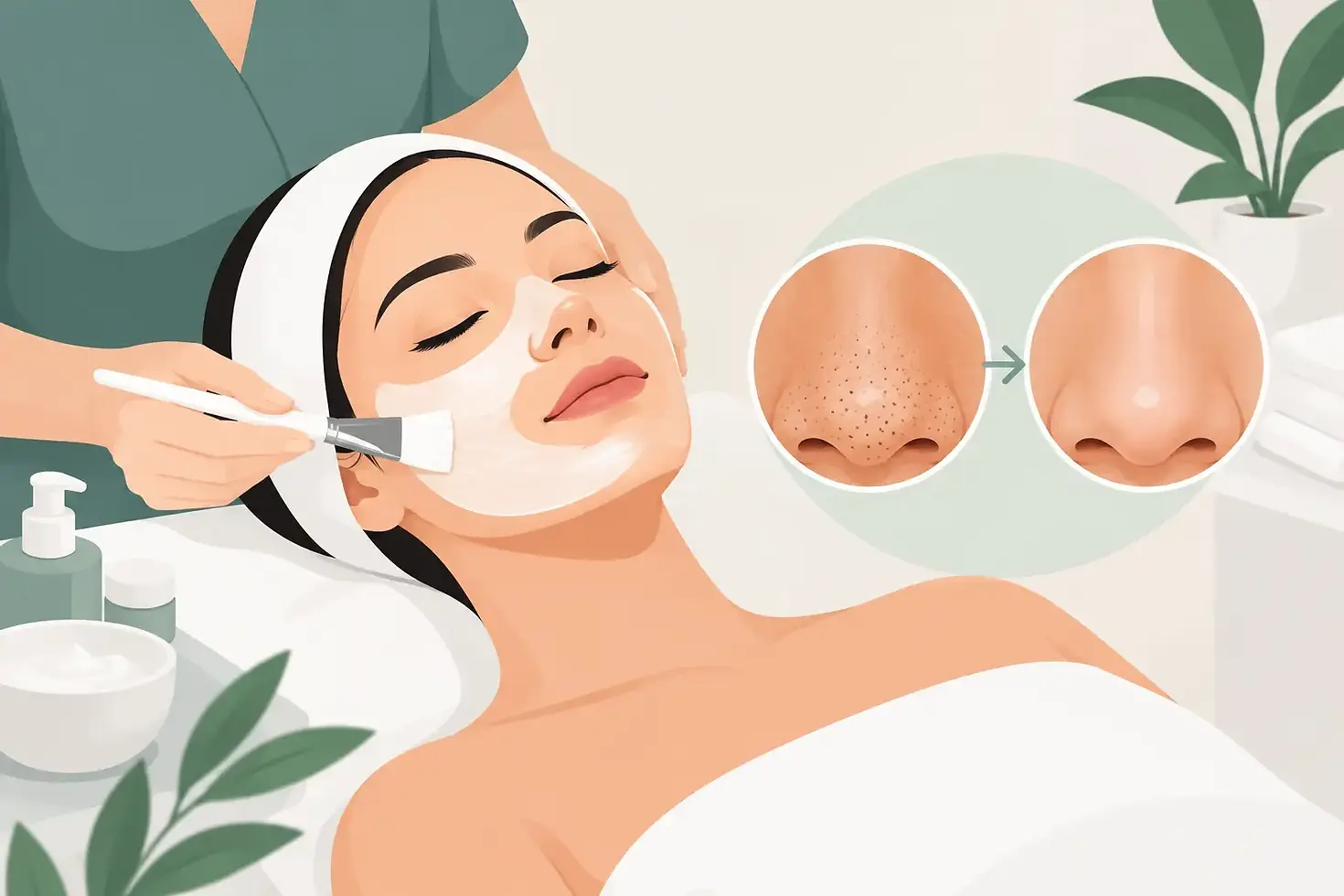
Blackheads can make skin feel congested even when you are otherwise consistent with your routine. So, can facials reduce blackheads? Yes, the right facial can reduce visible blackheads and help keep pores clearer, especially when it includes a thoughtful skin assessment, professional cleansing, and careful extraction. The best results come from treating blackheads as an ongoing skin concern, not a one-appointment problem.
Blackheads are common, stubborn, and not a sign that your skin is dirty. They form when oil and dead skin cells collect inside a pore. When that material is exposed to air, it oxidizes and turns dark. A facial cannot permanently change the size of your pores or stop your skin from producing oil, but it can remove existing congestion and support healthier pore function over time.
How Facials Can Reduce Blackheads
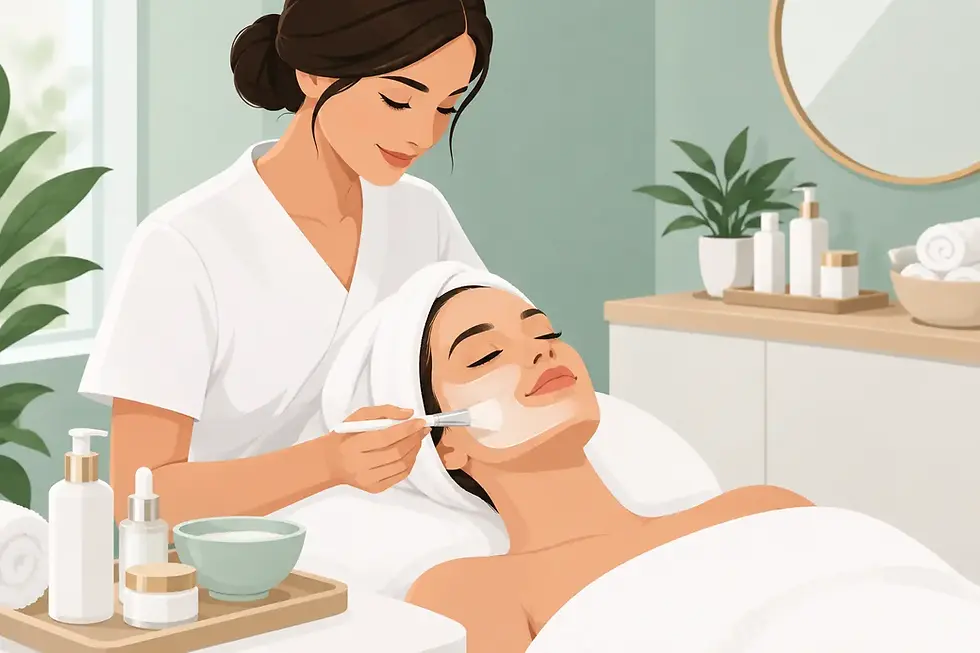
A professional facial addresses blackheads more thoroughly than a quick cleanse at home. Your esthetician begins by looking at your skin condition, sensitivity, oil production, current products, and areas of recurring congestion. This matters because blackheads on the nose may need a different approach than persistent congestion along the chin, jawline, or forehead.
The treatment generally starts with cleansing to remove surface makeup, sunscreen, oil, and debris. Exfoliation may follow to loosen the buildup that contributes to clogged pores. Depending on your skin, this can involve gentle enzymes, a mild chemical exfoliant, or another method selected for your comfort and skin goals.
Once the skin is properly prepared, an esthetician may perform extractions. This is the part many clients associate with blackhead removal, and it can make a noticeable difference when done with proper technique. Controlled professional extraction helps clear congestion while reducing the temptation to pick, squeeze, or use harsh tools at home.
A calming mask, hydration, and barrier-supportive finishing products help settle the skin afterward. While an extraction-focused facial can feel results-driven, the restorative portion is equally valuable. Skin that is over-stripped or irritated may produce more oil and become more prone to future congestion.
What Extractions Can and Cannot Do
Professional extractions can remove many visible blackheads during a facial. They are particularly helpful for pores that feel rough, look dark, or remain congested despite regular cleansing. You may notice smoother texture and clearer-looking skin soon after your appointment.
Still, not every dark spot is a blackhead, and not every clogged pore should be extracted. Some spots may be sebaceous filaments, which are normal structures that help move oil through the pore. They can be reduced in appearance, but they naturally refill. An experienced esthetician knows when to extract, when to leave the skin alone, and when a different treatment is the better choice.
Trying to force an extraction can lead to redness, broken capillaries, inflammation, scabbing, or post-inflammatory dark marks. This is why a professional, sanitary setting matters. The goal is not to leave every pore perfectly empty in one session. The goal is clearer, calmer skin without creating unnecessary trauma.
Why Blackheads Often Return
Blackheads can return because your skin continuously produces oil and sheds cells. Genetics, hormonal shifts, sweat, heavy makeup, hair products, stress, and humid Atlanta weather can all play a role. For some clients, the issue is not a lack of cleansing but a routine that is too aggressive, too heavy, or simply not suited to their skin.
A facial provides a reset, but ongoing prevention happens between appointments. If congestion is persistent, a series of customized treatments may be more productive than waiting until pores feel deeply clogged again. Your esthetician can help determine a realistic cadence based on how quickly your skin becomes congested and how it responds after treatment.
Which Facial Is Best for Blackheads?
The best facial for blackheads is not always the strongest or most intense option. A customized facial allows the treatment to match your skin's current needs. Someone with oily, resilient skin may benefit from more focused exfoliation and extractions. Someone with dry, reactive, or acne-prone skin may need a gentler approach that prioritizes barrier support alongside pore clearing.
Chemical exfoliation can be useful for certain clients because it helps loosen dead skin cells inside and around the pore. However, it should be chosen carefully. Using strong exfoliants too frequently, especially alongside retinoids or acne medications, can cause sensitivity and compromise the skin barrier.
Hydrating facials can also support blackhead-prone skin when dehydration is contributing to excess oil production or irritation. Hydration does not clog pores by default. In fact, balanced, well-supported skin may be less likely to react with the oiliness and inflammation that make congestion harder to manage.
At Atlanta Touch Therapy, facial care is approached as part of a personalized wellness experience. A proper consultation creates space to discuss sensitivity, lifestyle factors, current products, and the results you want, so your treatment is both effective and comfortable.
How to Keep Pores Clear Between Facials
Your at-home routine has a major effect on how long facial results last. You do not need an overcrowded shelf of products, but you do need consistency. Cleanse gently each day, especially after sweating or wearing makeup and sunscreen. Avoid scrubs that feel sharp or leave your skin tight, as rough friction can irritate the skin without truly clearing the pore.
A leave-on exfoliating product may be helpful for some people, particularly one formulated with salicylic acid. Because it is oil-soluble, salicylic acid can help address buildup within the pore. It is not right for everyone, though. Sensitive skin, recent professional treatments, prescription acne products, and pregnancy-related skincare changes are all reasons to get individualized guidance before adding active ingredients.
Choose non-comedogenic makeup and skincare when possible, but remember that this label is a useful starting point rather than a guarantee. If a particular product repeatedly leaves you feeling congested, it may not suit your skin even if it is marketed for acne-prone complexions. Hair oils and styling products can also contribute to forehead or temple breakouts when they transfer to the skin.
Most importantly, resist the urge to squeeze blackheads at home. A magnifying mirror can make minor texture feel urgent, but repeated picking often creates more visible damage than the original congestion. If you are unsure what you are seeing or how to treat it, a professional assessment is a more skin-supportive next step.
When a Facial May Not Be Enough
Facials are beneficial for many forms of congestion, but they are not a replacement for medical acne care. If you have painful cysts, widespread inflamed breakouts, scarring, sudden severe acne, or skin changes that do not improve, a dermatologist can evaluate whether prescription treatment is appropriate.
Likewise, let your esthetician know if you use retinoids, antibiotics, benzoyl peroxide, or other active skincare products. These details help guide the treatment and reduce the chance of unnecessary irritation. A quality facial should feel tailored to where your skin is now, not based on a one-size-fits-all protocol.
Clearer pores are usually built through patient, consistent care. A well-chosen facial can offer a visible refresh and a practical plan for what comes next, helping you care for your skin with more confidence and less guesswork.

Comments